
TL;DR
-
Car accidents frequently cause non-physical trauma, including post-traumatic stress disorder (PTSD), hypervigilance, sleep disruption, and severe driving anxiety.
-
Emotional trauma often manifests subtly, meaning loved ones, coworkers, or spouses may recognize behavioral changes before the injured person does.
-
Common indicators include emotional numbness, sudden irritability, intrusive crash memories, physical panic in traffic, and avoiding driving routes.
-
Insurance companies routinely undervalue psychological trauma because emotional damage lacks physical billing codes, making rushed settlement offers risky.
-
Recognizing and documenting emotional injuries is essential for both medical recovery and securing full legal compensation.
Sometimes the Trauma Shows Up Before You Have Words for It.
Let’s be clear about something from the beginning: I am not a trauma therapist.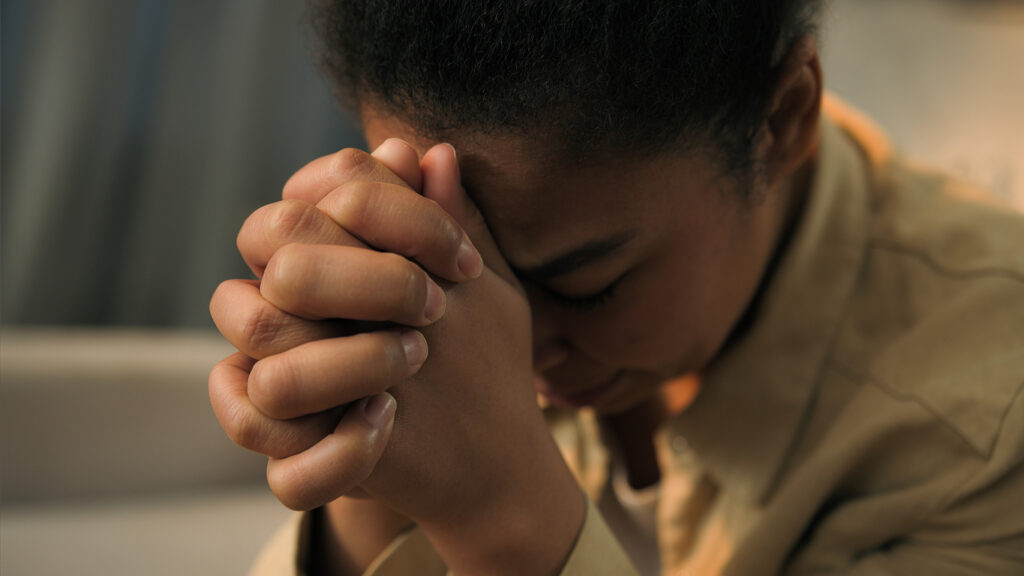
What I am is a lawyer who has talked to a lot of people after car crashes. And one of the biggest patterns I see is that emotional trauma often shows up before people have words for it.
Sometimes the injured person notices first.
Sometimes the spouse notices first.
- Sometimes the boss notices first.
Sometimes the first sign is not, “I think I have PTSD.” It is, “Why am I so angry all the time?” Or, “Why do I hate driving now?” Or, “Why can’t I sleep?” Or, “Why does my whole body tense up at stoplights?” Or, “Why is my wife saying I’m not myself?”
That is why a “signs of emotional trauma” post should not just be a symptom checklist. The real job is to help someone recognize: this may be trauma, and you are not weak or ridiculous for feeling it.
How Common Is Emotional Trauma After a Car Crash?
Emotional trauma after a car crash is extremely common. People often act surprised by this, as though emotional trauma is somehow optional or overdramatic unless the crash was cinematic enough.
It is not.
A crash can leave someone with:
- fear,
- helplessness,
- rage,
- humiliation,
- intrusive replaying,
- body-based panic in traffic,
- sleep disruption,
- irritability,
- guilt,
- avoidance,
- or a persistent sense that the world is less safe than it used to be.
NIMH notes that after trauma, people can experience intrusive memories, avoidance, negative changes in thinking or mood, and hyperarousal symptoms like irritability, being on edge, sleep problems, or being easily startled. Not everyone who has trauma symptoms develops PTSD, but trauma responses after frightening events are real and common.
A car crash is exactly the kind of event that can do this.
Why Loved Ones Often Spot Accident Trauma First
The injured person is often not the first one to notice. Their family and friends often do.
This matters a lot.
Some people are still in practical mode after the crash:
- dealing with repairs,
- talking to police,
- getting the kids home,
- going back to work,
- making appointments,
- trying not to make a big deal out of any of it.
Meanwhile, somebody close to them starts seeing the shift.
A spouse notices they are more jumpy in the passenger seat.
A child notices Mom gets snappy when the route goes near the crash site.
A coworker notices someone who used to be easygoing is now tense and distracted.
A parent notices a teenager suddenly refuses to drive.
And the first reaction is not always compassion.
Sometimes it is:
- “What is wrong with you lately?”
- “You need to get over this.”
- “It was just a car accident.”
- “You were lucky.”
- “You’re being dramatic.”
- “Everybody gets nervous after something like that.”
That can make the injured person feel crazy, weak, ashamed, or alone.
So one of the first signs of emotional trauma is sometimes not the feeling itself. It is the relationship strain that starts because no one has named what is going on yet.
Key Physical and Psychological Signs of Crash-Related PTSD
Not every trauma response looks dramatic. Some are loud. Some are quiet. Some look like a changed mood more than a changed mind.
Here are some of the patterns I see most often.
Driving fear or passenger fear
This is one of the most common ones.
A person says:
- “I can’t merge without feeling panicky.”
- “I hate left turns now.”
- “I’m fine until someone brakes in front of me.”
- “I can’t ride with my husband driving anymore.”
- “I avoid highways now.”
- “I take the long way just to avoid that intersection.”
That is not “being weird.” It is the nervous system learning that the road is dangerous and reacting accordingly.
Sleep disruption
A lot of crash survivors do not connect bad sleep to trauma at first.
Maybe they fall asleep but wake up at 3 a.m. wired.
Maybe they replay the impact.
Maybe they dread sleep because the dreams are bad.
Maybe they wake up exhausted even after a full night.
Sleep trouble matters because it pours gasoline on everything else: chronic pain, concentration, patience, mood, healing, and relationships.
Irritability and shorter patience
This is a big one, especially in households.
The person who used to be easygoing now seems on edge.
Small things feel bigger.
Noise tolerance goes down.
Patience with kids goes down.
Partner conflict goes up.
That does not necessarily mean the person has turned into someone else. It may mean their nervous system is carrying more load than it knows how to manage.
Intrusive replaying
Some people keep mentally replaying:
- the impact,
- the sound,
- the other driver’s face,
- the feeling just before the hit,
- the moment they realized it was happening,
- or the “what if” version that almost happened.
That replaying can happen while trying to sleep, while driving, while walking through a parking lot, or in random quiet moments when the mind suddenly circles back.
Startle response and hypervigilance
This often shows up as the body reacting before the mind.
A sudden brake light. A horn. A truck in the blind spot. A car drifting a little too close. A pedestrian stepping near the lane. The person is suddenly flooded.
NIMH identifies being easily startled, feeling tense, and being “on guard” as common trauma-related symptoms.
Again, that is not weakness. It is the body trying to protect itself after learning something frightening.
Avoidance
This is more than disliking traffic.
It can look like:
- avoiding the crash route,
- avoiding night driving,
- avoiding freeways,
- avoiding being a passenger,
- avoiding discussions of the crash,
- avoiding the part of town where it happened,
- or avoiding anything that makes the body remember.
Avoidance often masquerades as practicality. “I just prefer this route now.” “I’m tired, so I’m not driving.” “You take the wheel.” But sometimes the underlying truth is fear.
Emotional flatness or disconnection
Not everyone gets more visibly distressed.
Some people go quiet. Dull. Detached. Hard to reach.
Their spouse may say:
- “You’re here, but not really here.”
- “You don’t seem excited about anything.”
- “You just seem shut down.”
That can be trauma too.
Shame
This one matters because it keeps people from getting help.
A lot of injured people feel embarrassed by their own reactions.
They think:
- “It’s been months. Why am I still like this?”
- “Other people have had worse crashes.”
- “I should be over it.”
- “Nothing was even broken.”
- “What is wrong with me?”
Often, nothing is “wrong” with them in a moral sense. Something happened to them, and their body and mind are reacting to it.
How Emotional Trauma Impacts Your Personal Injury Claim
Because emotional trauma is not fluff.
It is not fake. It is not “just stress.” It is not separate from the real case.
A crash claim is not only about medical bills and repair estimates. It is also about what the crash did to a person’s sense of safety, functioning, relationships, sleep, work, and ordinary life.
That is one reason early settlement offers can be so dangerous. The emotional and nervous-system toll often becomes clearer over time, not right away.
It is also one reason insurance companies sometimes undervalue these cases. Emotional trauma can be harder to quantify than a surgery invoice, but that does not make it less real.
Steps to Take if You Notice Signs of Post-Accident Trauma
Start by not insulting yourself.
Do not call yourself weak. Do not assume you are dramatic. Do not assume the people around you understand your body better than you do.
Then:
- pay attention to patterns,
- notice what is harder now,
- notice what other people are seeing,
- talk to an actual medical or mental-health professional,
- and say out loud what is happening.
“Driving makes me panic now.”
“I’m not sleeping.”
“I snap at everyone.”
“I keep replaying it.”
“I don’t feel like myself.”
That matters.
The Hopeful Part After A Crash
Emotional trauma after a crash is real. It can also improve.
People’s systems can settle. Treatment can help. Support can help. Naming it helps. Being believed helps. Understanding that these are trauma responses, not moral failures, helps.
That does not mean it all goes away on a neat schedule. It does mean this is not necessarily the final version of you.
The Bottom Line
If something has felt off since the crash — your sleep, your driving, your patience, your mood, your sense of safety, your connection to the people around you — that may be emotional trauma talking.
You do not need to call it PTSD to take it seriously.
You do not need to wait until everything falls apart to admit something changed.
And you do not need other people’s permission to recognize that your mind and nervous system are still dealing with what happened.
Sometimes one of the most important things a person hears after a crash is simply this:
Yes. That makes sense.
Get Help After An Accident
If you are noticing changes in your driving, your sleep, or your patience after a crash, do not let an insurance company tell you it is all in your head. At Galileo Law PLLC, we know that emotional trauma is just as real and disruptive as a physical injury. Reach out to our team today to talk through what you are experiencing, we will help you protect both your recovery and your legal rights.